
In less than two decades, social media has transformed from a niche networking tool for college students into the very fabric of our global society. Today, billions of people scroll, swipe, and share across platforms like Instagram, X (formerly Twitter), Facebook, and LinkedIn. But this unprecedented level of digital connectivity brings with it a complex web of consequences that are reshaping human psychology, politics, and culture.
To truly navigate the modern digital age, we must deeply understand the duality of these platforms. Social media is not inherently good or evil; it is a powerful amplifier of human intent. Let us take a deep dive into the profound benefits that drive our modern world, and the silent, often invisible risks that threaten our psychological well-being.
Part I: The Profound Benefits
1. The Global Village: Unprecedented Connectivity
The most obvious, yet most powerful, benefit of social media is its unparalleled ability to obliterate geographical boundaries. Before the internet, your community was limited to your physical neighborhood. Today, finding communities of like-minded individuals—whether for professional networking, niche hobbies, or emotional support—has never been easier or faster.
People can maintain lifelong friendships across oceans, families separated by borders can share daily moments in real-time, and professionals can collaborate with peers globally. It has truly turned the vast world into a highly accessible "global village."

Social platforms have revolutionized the way we build communities and share ideas across continents.
2. Democratization of Information & Business
Beyond personal connections, social media has drastically democratized both information and entrepreneurship. Small businesses in remote towns can now market their products to a global audience with almost zero upfront cost, utilizing targeted ads and organic viral reach.
Furthermore, marginalized groups and minority voices have found a powerful platform. Movements for social justice, political reform, and environmental awareness routinely gain global momentum purely through strategic hashtags and viral sharing. Citizen journalism now breaks news on X (Twitter) long before traditional news outlets can dispatch a camera crew.
"We don't have a choice on whether we do social media, the question is how well we do it." — Erik Qualman
3. Real-Time Emergency Response and Support
During natural disasters, crises, or global pandemics, social media acts as a critical lifeline. Features like Facebook's "Safety Check" allow individuals to instantly notify loved ones that they are safe. Local authorities use Twitter to broadcast real-time evacuation routes, and communities rally together on platforms to organize relief funds and blood donations within minutes of a tragedy occurring.
Part II: The Silent Risks and Psychological Toll
1. The Dopamine Loop and Digital Addiction
However, the architecture of these platforms is deliberately designed by behavioral psychologists to hijack our attention. The infinite scroll, the unpredictability of 'likes', and the constant ping of notifications trigger dopamine releases in our brains—a chemical response strikingly similar to gambling at a slot machine.
This leads to widespread digital addiction. Users find themselves compulsively checking their phones hundreds of times a day, severely impacting their productivity, sleep quality, and ability to focus on deep, meaningful tasks.
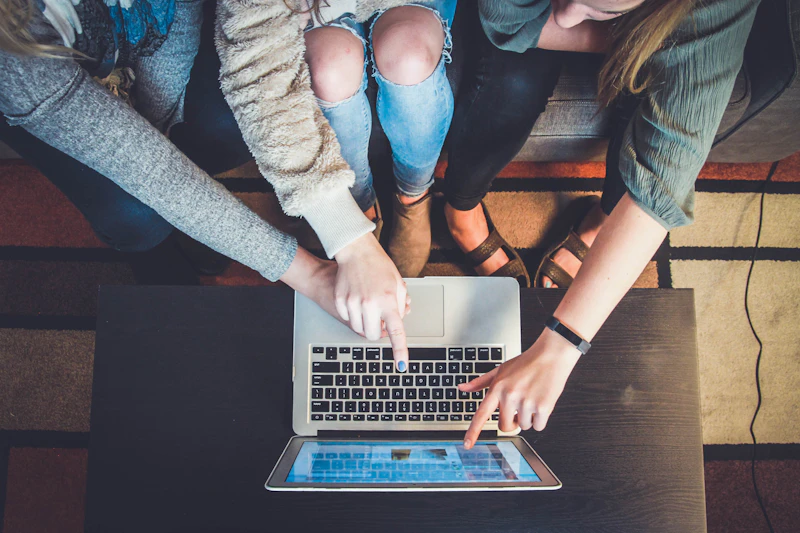
The infinite scroll often traps users in a cycle of dopamine dependency and endless consumption.
2. "Comparison Culture" and Mental Health Crisis
Perhaps the most insidious risk is the rise of "Comparison Culture." Platforms like Instagram and TikTok serve as highlight reels of people's lives. Users are bombarded with filtered images of perfect vacations, flawless bodies, and ultimate success.
Constantly comparing our everyday, flawed reality to the heavily curated peaks of others' lives has led to documented, terrifying spikes in clinical anxiety, depression, and body dysmorphia—particularly among teenagers and young adults. The Fear Of Missing Out (FOMO) creates a constant, lingering sense of inadequacy.
3. Echo Chambers and the Spread of Misinformation
Social media algorithms are built with a single goal: maximize user engagement. Unfortunately, content that evokes outrage, fear, or extreme emotion keeps users on the app much longer than nuanced, balanced truth.
This phenomenon has given rise to the "Echo Chamber" effect. Users are only shown information that aligns with their pre-existing beliefs, shielding them from opposing viewpoints. This heavily polarizes societies, destroys healthy debate, and fuels the rapid, dangerous spread of fake news, conspiracy theories, and deepfakes.

In the digital age, our data is the product, and misinformation is often weaponized for profit.
4. Cyberbullying and Loss of Privacy
The shield of anonymity provided by the internet has emboldened malicious behavior. Cyberbullying is a rampant issue, causing severe emotional distress to victims who cannot "escape" their bullies by simply going home from school or work; the harassment follows them into their bedrooms via their smartphones.
Additionally, the concept of privacy is eroding. Users willingly hand over their behavioral data, location, and personal preferences to tech giants, who then commodify and sell this data to advertisers—or worse, lose it to malicious hackers in massive data breaches.
Conclusion: Finding the Digital Balance
Social media is a technological marvel that has undeniably progressed human civilization by connecting the globe. However, its uncontrolled consumption poses severe risks to our mental health and the fabric of truth.
The key to navigating this landscape is **Digital Minimalism and Literacy**. By actively curating our feeds to remove toxic content, setting strict screen-time boundaries, and constantly reminding ourselves that the digital world is a curated illusion, we can harness the profound power of connection without sacrificing our mental peace and reality.
Join the Discussion